Bring back some good or bad memories


ADVERTISEMENT
Showing posts with label Sydney. Show all posts

November 15, 2025

The Amazing Story of the Family Journey From Sydney to Paris on a Scooter in 1956

In 1956, the Montin family of four made an extraordinary 12,000-mile (over 19,000 km) journey from Sydney to Paris on a single Lambretta Lambro 150 FD three-wheeled scooter. The family consisted of French father Guy Montin, his British wife Beryl, and their two young children, Charles (4) and Yvonne (2).

A Lambretta Lambro 150 FD, a three-wheeled light commercial vehicle, not a typical two-wheeled scooter. Guy custom-built a small cabin of marine plywood and canvas on the back to accommodate his family and their luggage, which could also be used for sleeping. The vehicle had a top speed of just 25 mph (around 40 km/h). Beryl referred to the modified scooter as “the contraption.” The total journey took several months, with the main Sydney to Paris leg taking over two months of actual travel, plus extended stops due to weather and hospitality.

The family first drove 3,000 miles across the Australian outback from Sydney to Perth, where they boarded a ship to Colombo, Sri Lanka (then Ceylon). From there, they sailed to Bombay (Mumbai), India, where the main overland journey began. Their route then took them through: India, Pakistan, Persia (modern-day Iran), Iraq, Syria, Lebanon, Turkey, Greece, Yugoslavia (former), Italy, and France.

The Montins had initially planned to spend six weeks in India. Guy had carefully studied the seasonal movement of the monsoon rain and come up with a way of avoiding it. Nonetheless, it was the monsoon which eventually brought their travels to a stop, at which point Guy, Beryl and the children had to rely on the hospitality of the Indian people to offer them shelter. Their stay ended up lasting more than four months. An Indian newspaper focused on the family’s daily baths in the Ganges River and their strict adherence to vegetarian food as the main reason for their good health.

Later, Guy Montin wrote a letter to the Lambretta company. He explained that he has constantly been told that he’s insane, and that no one has at any point believed that they would reach their goal. In Sydney, no one thought they would even reach Perth. In Colombo, people swore that they could not reach Lahore through the monsoon. In Lahore, that it would be impossible to reach Quetta. In Quetta, they were perceived as mad if they really thought that they would be able to drive through Persia.

In the letter, Guy wrote – triumphantly and with great pleasure: “Eppoi si muove we are in Teheran...” Eppoi si muove translates to something along the lines of: Yet, we’re still moving... He continued the letter: “We have passed the worst. We now know for certain a family of four can eat, sleep and travel fifteen thousand kilometers on a Lambretta Furgoncino. We are not mad. In fact we are, the four of us, in splendid mental and physical shape. Just wait until you see us.

“Meanwhile we must stress an important fact: it is through no fault on the part of our machine that we have taken over six months to cover this part of our trip. It is the people who will not let us go. The engine purrs like a cheetah in the crisp morning air, the children have been fed, clothed and ‘potted.’ Mama has just retrieved Papa’s lost goggles. We are ready for the days three hundred kilometers...”

Eventually, they finally reached Paris and spent the night camping in their trusty Lambretta within the Bois de Boulogne park in the outskirts of the city. They have traveled through 11 different countries and have encountered everything from meter-high snow to heatwaves and monsoon rain. They’ve met primitive tribes, thick jungle and relentless desert. They’ve been plagued by dysentery and not least by the serious accident in the Australian outback. They sum up their spendings during their epic roadtrip: A total of 350 pounds – 80 for petrol, 200 for food and 5 for goatskin jackets and gloves. The rest was spent on repairs, visas and ferry tickets.

Back in England, The Sunday Express focused more on a couple of remarks made by Beryl. Under the headline: “One lipstick – on a trip half around the world” Beryl confessed that it wasn’t even the lack of daily baths which bothered her the most. It was the long and tiring route from Quetta in Pakistan to Mashed in Persia. This stretch was almost 3,000 km long and took them several weeks to put behind them, during which they lived solely off dried goat cheese and fruit. Still, Beryl did admit that not having a warm bath since leaving Sydney did eventually affect her mood, and it brought great joy when they finally had warm baths again in Persia.

Guy got to visit his family in Cahors in south-western France, and Beryl received a very warm welcome from her family in her hometown of Margate in the UK.

It had been a true adventure for the Montin family and a colossal, life-defining experience for the children Charles and Yvonne. Guy took a few notes during their trip, but mostly about the conversations they had, and seemingly mostly for personal use. Short episodes were captured by newspaper articles published as the family made their way through the many countries. In a time devoid of social media and before the need for self-promotion, tales from their travels are sparse. Even so, it’s food for thought and will surely energize most people’s fantasies. Just imagine all the adventures and experiences encompassed by a family roadtrip around half the globe on a three-wheeled scooter with 2hp and a total load of maximum 500 kg.


September 20, 2025

Sydney in the Late 19th Century Through Fascinating Photos

In the late 19th century, Sydney underwent a dramatic transformation from a colonial port to a thriving metropolis. The period was marked by an economic boom that fueled rapid urban expansion and an architectural renaissance. Grand Victorian buildings like the Sydney Town Hall and the Queen Victoria Building were constructed, reflecting the city’s newfound wealth.

While the city’s landscape was changing, so was its society. New tram lines and railways connected a growing number of suburbs to the city center, but stark social contrasts remained between the wealthy and the working class.

Despite these divisions, Sydney was a vibrant and lively place. Its bustling harbor was filled with ships, and its streets buzzed with a mix of horse-drawn carriages and pedestrians. The city also saw significant technological progress with the introduction of electric lighting and modern sanitation systems, solidifying its place as a sophisticated urban center on the global stage.

These photographs of Sydney in 1892–93 are from Fred Hardie – Photographs of Sydney, Newcastle, New South Wales and Aboriginals for George Washington Wilson & Co., 1892–1893. Fred Hardie was the company photographer for G. W. Wilson & Co. of Aberdeen, Scotland, the world’s largest view photography company at the time.

Castlereagh Street, Sydney, from near King Street, 1892-93

Circular Quay, Sydney, 1892-93

Circular Quay, Sydney, 1892-93

City of Sydney, 1892-93

Darling Harbour from Balmain, Sydney, 1892-93

April 1, 2025

Amazing Kodachrome Slides of Sydney From Above in 1970

Sydney in the early 1970s was a city on the cusp of transformation, both culturally and socially. It was a time of change, with the lingering echoes of the 1960s counterculture blending into the evolving landscape of the ’70s. The city’s skyline was rapidly changing, with the construction of the iconic Sydney Opera House in full swing, and the Harbour Bridge still standing as a symbol of the city’s past.

The streets of Sydney, particularly in areas like Kings Cross and Darlinghurst, were lively and buzzing with the energy of a more liberal social atmosphere. The rise of cafes, art galleries, and small theaters gave birth to a burgeoning counterculture, as people sought a more relaxed, open lifestyle.

These amazing Kodachrome slides from mjcas that captured Sydney from above in February 1970.


February 4, 2025

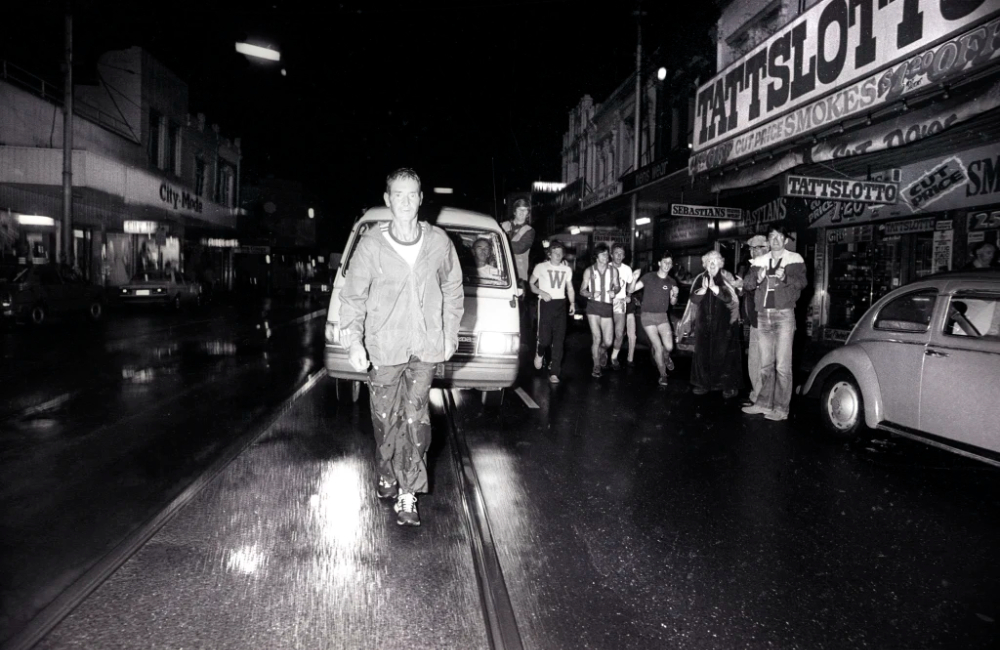
The Amazing Story of Running Legend Cliff Young, the 61 Year Old Farmer Who Won the World’s Toughest Race in 1983

Every year from between 1983 and 1991, Australia held 543.7-mile (875-kilometer) endurance racing from Sydney to Melbourne. It is considered among the world’s most grueling ultra-marathons. The race takes five days to complete and is normally only attempted by world-class athletes who train specially for the event. These athletes are typically less than 30 years old and backed by large companies such as Nike.


In 1983, a man named Cliff Young showed up at the start of this race. He was 61 years old and wore overalls and work boots. To everyone’s shock, Cliff wasn’t a spectator. He picked up his race number and joined the other runners. The press and other athletes became curious and questioned Cliff. They told him, “You’re crazy, there’s no way you can finish this race.” To which he replied, “Yes I can. See, I grew up on a farm where we couldn’t afford horses or tractors, and the whole time I was growing up, whenever the storms would roll in, I’d have to go out and round up the sheep. We had 2,000 sheep on 2,000 acres. Sometimes I would have to run those sheep for two or three days. It took a long time, but I’d always catch them. I believe I can run this race.”

When the race started, the pros quickly left Cliff behind. The crowds and television audience were entertained because Cliff didn’t even run properly; he appeared to shuffle. Many even feared for the old farmer’s safety. All of the professional athletes knew that it took about 5 days to finish the race. In order to compete, one had to run about 18 hours a day and sleep the remaining 6 hours. The thing is, Cliff Young didn’t know that!

When the morning of the second day came, everyone was in for another surprise. Not only was Cliff still in the race, he had continued jogging all night. Eventually Cliff was asked about his tactics for the rest of the race. To everyone’s disbelief, he claimed he would run straight through to the finish without sleeping.


Cliff kept running. Each night he came a little closer to the leading pack. By the final night, he had surpassed all of the young, world-class athletes. He was the first competitor to cross the finish line and he set a new course record.

January 16, 2025

Nurse in the Interior of Coast Hospital Horsedrawn Ambulance in Sydney, ca. 1900s

In the early 1900s, the sight of a nurse seated on the back of a horse-drawn ambulance at the Coast Hospital in Sydney was a testament to the grit and determination of medical professionals in a time of limited technology. The clatter of horses' hooves echoed through the hospital grounds as the ambulance made its way to the hospital, a stark contrast to the modern, motorized vehicles we see today.


This nurse, with her crisp white uniform and steadfast demeanor, embodied the spirit of an era when healthcare was as much about dedication as it was about skill. The Coast Hospital, which would later become the Prince of Wales Hospital, was a beacon of hope for the sick and injured.

Here, patients were transported not by the hum of an engine, but by the steady trot of a horse, each journey a reminder of the lengths to which medical staff would go to provide care.


As the ambulance pulled up to the hospital entrance, the nurse prepared to assist the patient, her calm presence a source of comfort in a time of uncertainty. This scene, simple yet profound, highlights a chapter in Sydney’s healthcare history when even the most basic of resources were used with utmost care and compassion. In the face of adversity, these early healthcare workers forged a path that would lead to the advanced medical services we rely on today.

June 13, 2024

Bohemian Sydney Through Brian Bird’s Lens

From the late 19th century to the early 1970s, there was a distinctive bohemian subculture in Sydney. Alternative thinkers gathered in private houses, clubs and coffee houses. Some of the best known bohemian hangouts were Kings Cross and the area around Rowe Street (demolished in the 1970s to make way for the MLC Centre).

One of these Rowe Street cafes, the Lincoln Coffee Lounge, is considered the birthplace of the “Sydney Push” movement in its early days, just after the war. A popular meeting place for artists and writers, it comprised a mixture of university students, lecturers, Bohemians & Libertarians.

These fascinating photos from State Library of New South Wales were taken by Brian Bird that show Bohemian life in Sydney around 1948 and 1951.

‘Johnno’ Robert Johnson; unknown from Lincoln Coffee Lounge & Cafe, Rowe Street, Sydney, 1948-1951

Anne Barrett from Lincoln Coffee Lounge & Cafe, Rowe Street, Sydney, 1948-1951

Dick Gooding (on right of door) from Lincoln Coffee Lounge & Cafe, Rowe Street, Sydney, 1948-1951

Dick Gooding, journalist from Lincoln Coffee Lounge & Cafe, Rowe Street, Sydney, 1948-1951

Ede Cohen (usually on cash register); or Martin Edie from Lincoln Coffee Lounge & Cafe, Rowe Street, Sydney, 1948-1951

March 4, 2024

Car Accident at Westgate Service Station in Annandale, Sydney, January 1940

January 1, 1940, Westgate Service Station in Annandale, Sydney: 1938 Ford V8 hits parked 1935 Ford Model C (four cylinder), lifting it up onto footpath and into petrol pumps; it takes out one pump and ends up against another pump; fire was put out fairly quickly by fire trucks from two stations. There was no one in the Model C at the time and the V8 driver was charged with drink driving.


March 2, 2023

Sydney in the Early 1980s Through Fascinating Photos

Sydney is the capital city of the state of New South Wales, and the most populous city in both Australia and Oceania. Located on Australia’s east coast, the metropolis surrounds Sydney Harbour and extends about 70 km (43.5 mi) towards the Blue Mountains to the west, Hawkesbury to the north, the Royal National Park to the south and Macarthur to the south-west.

Sydney is made up of 658 suburbs, spread across 33 local government areas. Residents of the city are known as “Sydneysiders”. The city is home to approximately 66% of the state’s population. Nicknames of the city include the ‘Emerald City’ and the ‘Harbour City’.

Despite being one of the most expensive cities in the world, Sydney frequently ranks in the top ten most liveable cities in the world. Established in 1850, the University of Sydney was Australia's first university and is regarded as one of the world's leading universities.

Sydney is among the top fifteen most-visited cities in the world, with millions of tourists coming each year to see the city’s landmarks. The Sydney Harbour Bridge and the World Heritage-listed Sydney Opera House are major tourist attractions. Central Station is the hub of Sydney’s rail network, and the main passenger airport serving the city is Kingsford Smith Airport, one of the world’s oldest continually operating airports.

These fascinating photos were taken by pszz that show street scenes of Sydney in 1981.

Elizabeth Street, Sydney, Australia, 1981

Elizabeth Street, Sydney, Australia, 1981

Bridge, Pier One Sydney Harbour, Sydney, Australia, 1981

Capitol BMW, Sydney, Australia, 1981

Channel 10 News car, Elizabeth Street, Sydney, Australia, 1981

April 11, 2022

Ride From Perth to Sydney in 22 Days, a Record Tandem Ride From 1933

On November 4, 1933, William “Billy” Read and Gordon Jones, members of the Bassendean Midland Cycling Club, left the Perth G.P.O. in Forrest Place Perth, in an attempt to ride to Sydney in under 23 days. The solo record at that time was held by another West Australian, Vic Waltham, who had ridden from Sydney to Peith in 26 days 3 hours 8 minutes in 1927.

Jones (left) and Read on their Aussie tandem. (Photo by Sam Hood, via State Library of New South Wales)

The tandem was steered by Read, aged 31 years. He was short and sturdily built and had been a racing cyclist for 17 years. Jones, aged 22 years was taller and lighter than Read and had raced as a West Australian junior. The men had trained for five months, cycling 640 km a week. Their daily average distance had to exceed 190 km a day, a grueling task in view of the unsealed and corrugated roads of those days, and the very rough track between Coolgardie and Adelaide.

Their machine, an Aussie tandem was fitted with the “latest and greatest labor saving device”, a 3 speed Cyclo variable gear, internal brakes and Dunlop Perdriau tires. A tank to hold 9 liters of water was fitted between the frames of the machine. There were no backup vehicles as today’s riders enjoy; between towns they were dependent on their own resources and had to carry all they needed.

Read and Jones were given an enthusiastic send-off by a large crowd. Their cycle was brightly painted and they wore green and gold guernseys, plus-fours riding breeches and white fisher hats. The first three stages were to Cunderdin, Southern Cross and Coolgardie. By November 8, they had reached Balladonia after 15 hours of hard riding through heavy sand and against strong head winds. From Balladonia, the cycle was fully loaded for the crossing of the Nullarbor. The water tank was filled as well as four detachable water flasks. Although they had arranged for food supplies to be left at some stations on the Nullarbor, they carried tinned provisions and a blanket, the necessary spares and a minimum of personal items. The tires had to bear a weight of over 190 kg on very rough roads.

There was no made road across the Nullarbor and at one stage they spent two days wheeling their cycle through heavy sand. Another section was pitted with camel tracks; sometimes the country was overgrown with brush and near the Madura Pass the jagged edge of limestone had been exposed by strong winds. One day they had 12 punctures in 26 km and finished up walking to the next station. In addition, they battled head winds and hot weather. Also near Madura in WA, they attracted the attention of a herd of wild steers. Read later commented that was when they easily registered their fastest burst of speed for the whole trip and just managed to out-distance the herd.

The riders sustained a bad fall approaching Iron Knob in SA. They were descending a hill when the wheel was caught in a rut and they were thrown over the handlebars. Read had numerous abrasions and a badly sprained shoulder, Jones escaped with slight abrasions.

Undaunted, they remounted the cycle and carried on. After leaving Port Augusta, they suffered a blowout due to the great weight on the tires and had to walk 24 km to the next town. Going to bed at midnight, they were up and on their way at 4am covering the remaining 290 km to Adelaide by dark - the journey so far had taken 14 days.

One would have thought that their worries were over but after leaving Adelaide, they encountered heavy rain and further strong head winds which slowed them to an average 11 km/h causing them to fall behind schedule.

Reporting when 160 km out of Melbourne, Read said that they were both very saddle sore and could only ride short distances. In spite of this, once free of the head winds they made good time and when 26 km out of Melbourne they were met by the Australian champion cyclist, Hubert Opperman, who rode with them the remaining distance to the Malvern Star Agency in Elizabeth Street. They were welcomed there by many people prominent in cycling circles but there was no time for self congratulation, they stopped only for a light lunch and started off again on the last leg of the journey to Sydney. From there on, the conditions were vastly improved and Read and Jones made good time, averaging 32 km/h. For the whole trip they had averaged five punctures a day and, except for replacing tires and a few spokes, the Aussie tandem had come through unscathed.


Their arrival in Sydney was reported by the Guardian, Nov 27, 1933.
“Sunburnt and with their equipment spattered with the mud and dust of four states, William Reid (sic) and Gordon Jones of Western Australia, rode their gaily coloured tandem bicycle to the General Post Office at 9am today, and signed a time-sheet which showed that they had ridden 3,003 miles across Australia in 22 days, 17 hours.”
After returning to WA, Read, who had played a leading role in the Bassendean-Midland Cycling Club, became its first life member. He died some years ago.

Gordon Jones, after working for WA Govt. Railways and then manager and part owner of Moondah at Gingin, retired to the metropolitan area becoming an active sportsman, playing bowls with the Bedford Bowling Club. He died in 2013 aged 102 years.

(This original story was published on the Western Australian Historical Cycle Club website here)

February 3, 2022

Vintage Photographs Capture Everyday Life in Sydney Fifty Years Ago

Sydney is the capital city and most populous city in the state of New South Wales, Australia and Oceania. 

Sydney enhanced its position as an education capital of the Western Pacific during the postwar period. In 1967, Australia Square Tower was constructed and became a city landmark, surpassed in 1981 by Sydney Tower as the tallest building in the city. 

Kings Cross, 1970

Since the 1970s Sydney has undergone a rapid economic and social transformation. As aviation has replaced shipping, most new migrants to Australia have arrived in Sydney by air rather than in Melbourne by ship. As a result, the city has become one of the most multicultural in the world. In 1973, the Sydney Opera House was officially opened, after a long period of planning and construction.

Take a look back at the ‘Emerald City’ in the late 1960s and 1970 through these fascinating vintage pictures, courtesy of Graham Cosserat:

Fitzroy Gardens, King Cross, 1968

Kings Cross, 1968

Kings Cross, 1968

Circular Quay, 1968

January 16, 2022

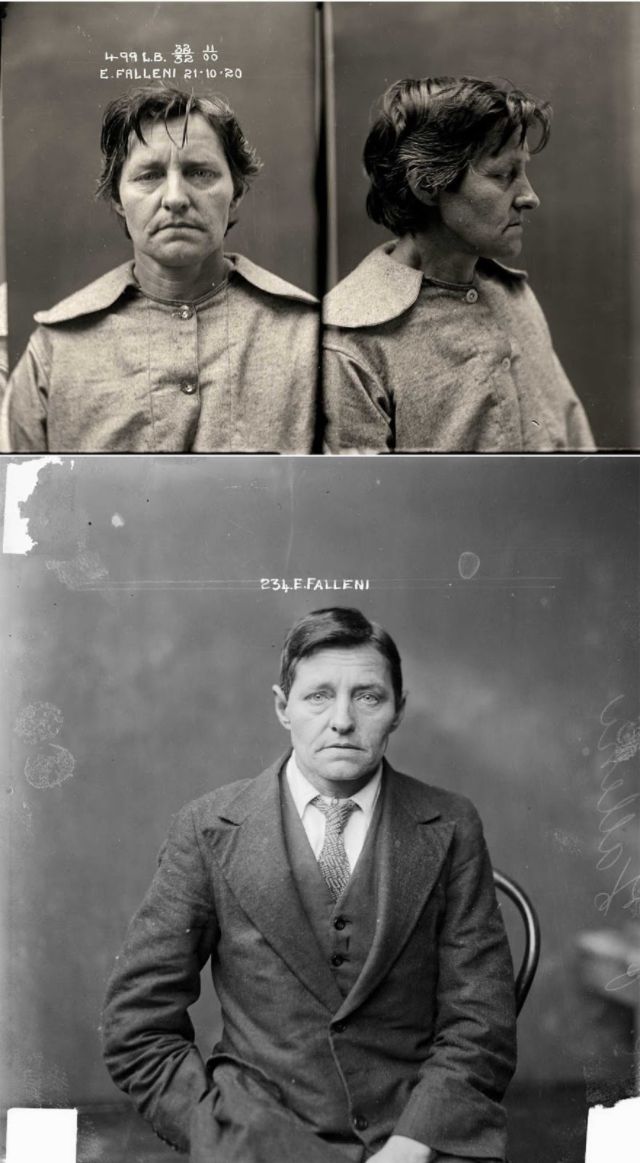
35 Candid and Stylish Mugshots From the Roaring Twenties

The Roaring Twenties was a golden era for criminals when rapid societal change led to the opening up of new illicit markets for entrepreneurial felons. Fast times bred new crimes creating policing challenges ranging from reckless joyriders to the emergence of the Mafia and razor gangs.

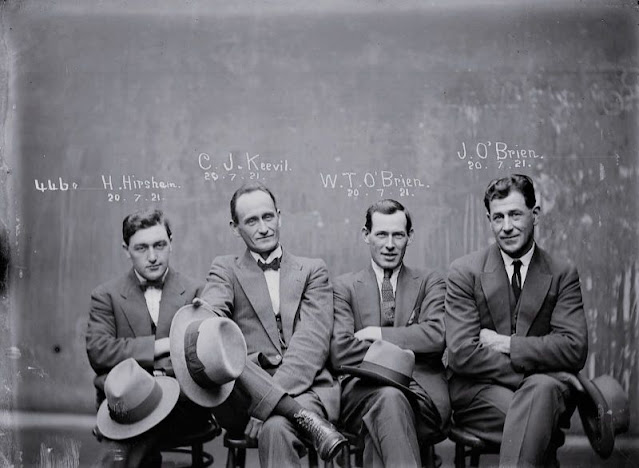
Hampton Hirscham, Cornellius Joseph Keevil, William Thomas O’Brien & James O’Brien, 1921

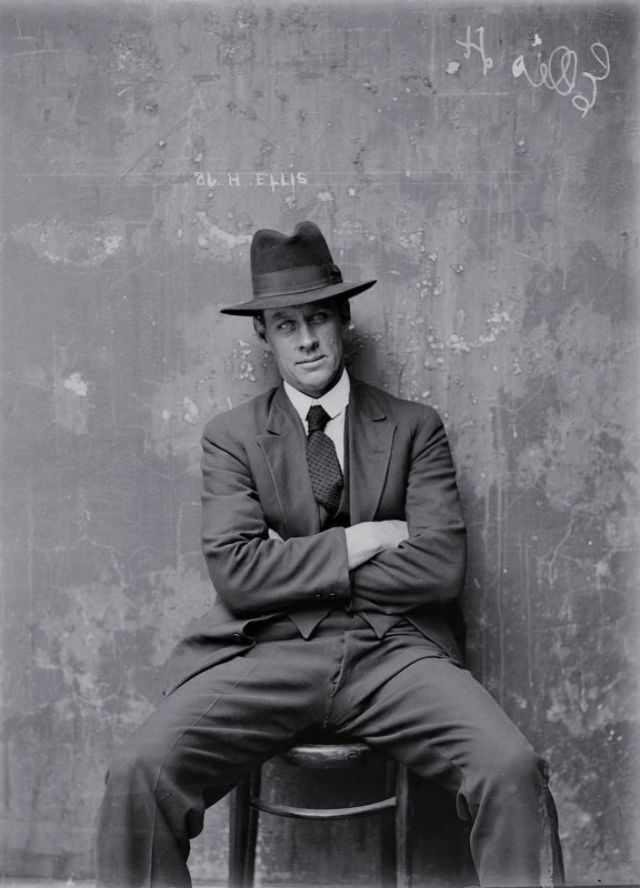
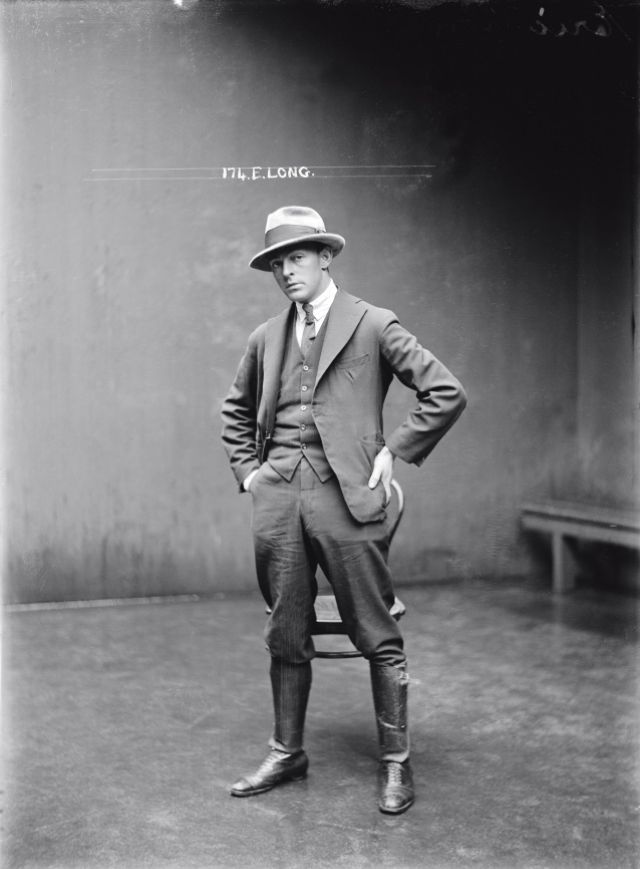
New South Wales Police Department photographers captured the zeitgeist of the era in these unexpectedly candid mug shots of cocaine sellers and addicts, sly-grog purveyors and small-time criminals, who frequented the cells of the Central Police Station in Sydney.

Herbert Ellis, 1920

William Frederick Long, circa 1920

Eugenia Falleni, 1920

Gilbert Cochrane Burleigh & Joseph Delaney, 1920


FOLLOW US:
Facebook • Tumblr • Pinterest • Instagram

CONTACT US


Browse by Decades

Popular Posts

Advertisement

09 10