Bring back some good or bad memories


ADVERTISEMENT

February 2, 2023

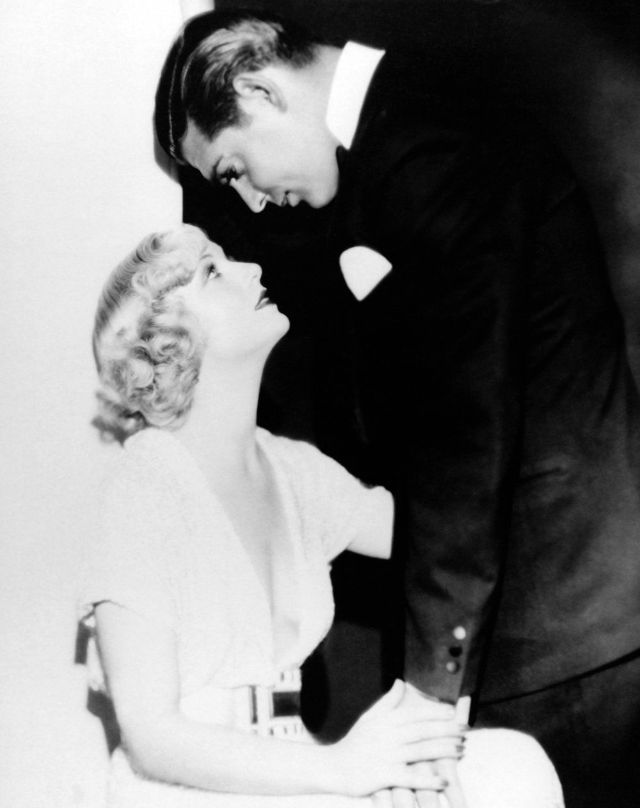
Vintage Portraits of Ruth Taylor in the 1920s and 1930s

Born 1905 in Grand Rapids, Michigan, American actress in silent films and early talkies Ruth Taylor was discovered by Mack Sennett in 1925 when he was looking for a blonde to play in a Harry Langdon comedy. She was chosen from around two hundred girls who responded to Sennett’s call. She was also selected as one of the WAMPAS Baby Stars in 1928.


In 1927, Taylor’s two-year contract with Mack Sennett expired. She was cast as Lorelei Lee in the original version of Gentlemen Prefer Blondes (1928). During the search for Lorelei Lee, fans sent 14,000 letters to Paramount Pictures. Each suggested a choice of an actress for the role. In return, every fan was mailed a photo of Ruth Taylor when she was selected for the part. It was the largest shipment of pictures of one person ever sent out from Hollywood. Anita Loos was determined that Taylor play the role of her literary character. Just Married (1928) was the first offering in what was billed as a new comedy team featuring Taylor and James Hall. Produced by B.P. Schulberg, the movie was directed by Frank R. Strayer.

Taylor’s final screen credits are roles in A Hint to Brides (1929), The College Coquette (1929), This Thing Called Love (1929), and Scrappily Married (1930). She died in Palm Springs, California in 1984, aged 79.

Take a look at these gorgeous photos to see portraits of a young Ruth Taylor in the 1920s and 1930s.


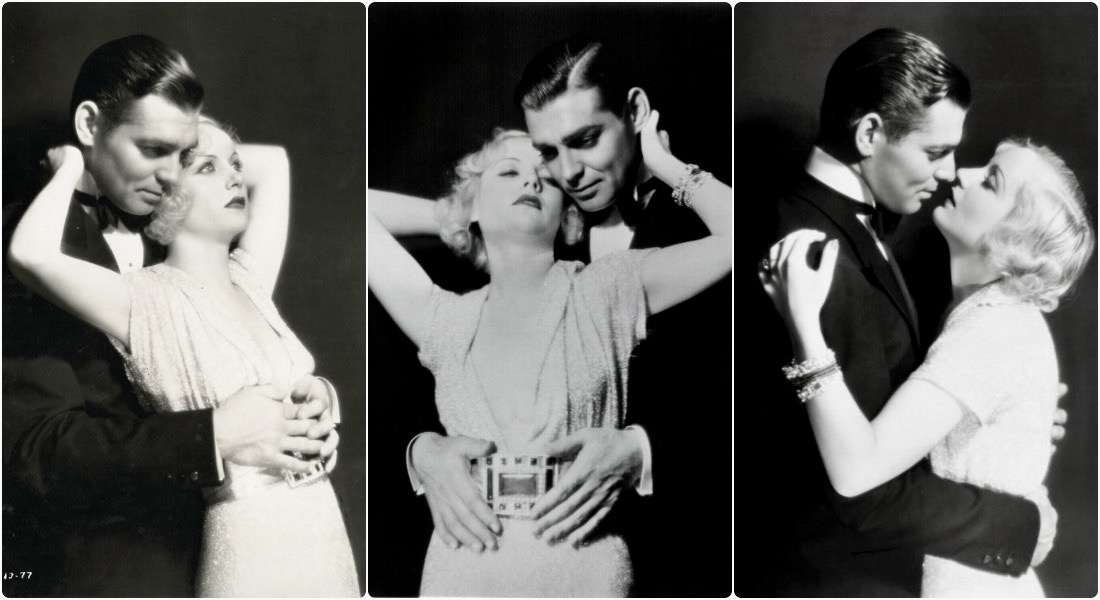
35 Vintage Photos of Clark Gable and Carole Lombard During the Filming of ‘No Man of Her Own’ (1932)

No Man of Her Own is a 1932 American pre-Code romantic comedy-drama film starring Clark Gable and Carole Lombard as a married couple in their only film together, several years before their own legendary marriage in real life.


The film was directed by Wesley Ruggles, and originated as an adaptation of No Bed of Her Own, a 1931 novel by Val Lewton, but ended up based more on a story by Benjamin Glazer and Edmund Goulding, although it retained the title from Lewton’s novel. It is not related to the 1950 film of the same name.

Released just three years after the stock market crash of 1929, the plot focuses on the character “Babe” Stewart (played by Gable), a card sharp and gambling cheat, and “Connie Randall”, a street-wise librarian with whom he develops a relationship. Prevalent themes throughout the story include crime, gambling, dishonesty, love, commitment and redemption.

These vintage photos captured portraits of Clark Gable and Carole Lombard together during the filming of No Man of Her Own in 1932.


Some Vintage Photographs of Marilyn Monroe Posing for Valentine’s Day

Marilyn Monroe was the ultimate sex symbol. With her platinum blonde locks, hourglass figure and famous beauty mark, she rose to fame as a actress, model and singer in the 1950s.

Unlike many stars in Hollywood today, Monroe possessed an alluring quality that left her image ingrained in the minds of people everywhere. It was moments like these that made her an icon and still give her relevancy today, even decades after her death.

Happy Valentine’s Day to all of you, Marilyn Monroe lovers!


February 1, 2023

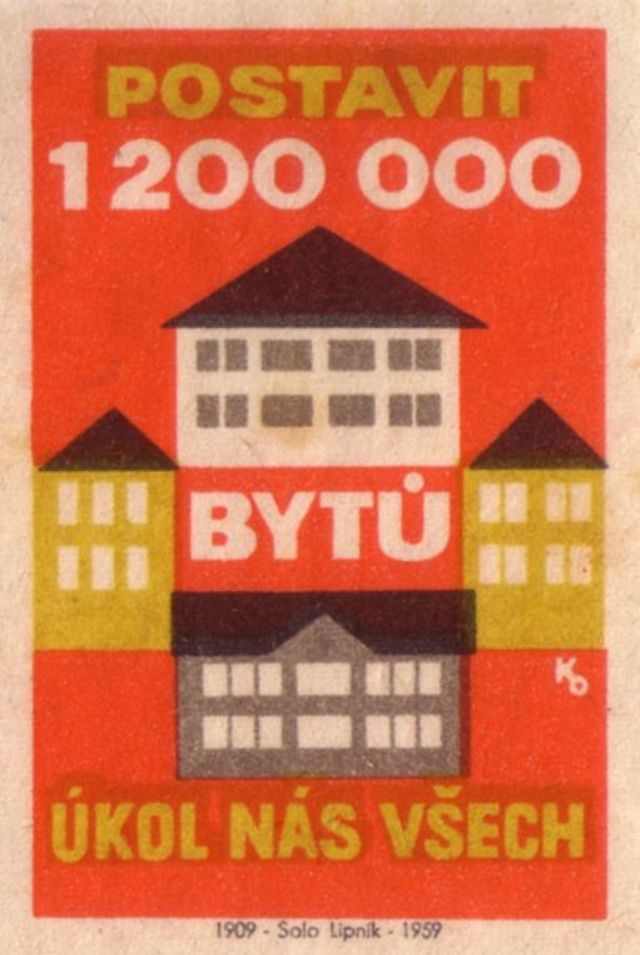
45 Vintage Photos of Czechoslovak Matchbox Labels in 1959

A match is a tool for starting a fire. Typically, matches are made of small wooden sticks or stiff paper. One end is coated with a material that can be ignited by friction generated by striking the match against a suitable surface.

Czechoslovak matchbox labels in 1959

Wooden matches are packaged in matchboxes, and paper matches are partially cut into rows and stapled into matchbooks. The coated end of a match, known as the match “head”, consists of a bead of active ingredients and binder, often colored for easier inspection.

There are two main types of matches: safety matches, which can be struck only against a specially prepared surface, and strike-anywhere matches, for which any suitably frictional surface can be used. Because of the substance used to coat each match, this makes them non-biodegradable.

Historically, the term match referred to lengths of cord (later cambric) impregnated with chemicals, and allowed to burn continuously. These were used to light fires and fire guns and cannons. The word ‘match’ derives from Old French ‘mèche’, referring to the wick of a candle.

Here below is a vintage photo collection that shows Czechoslovak matchbox labels in 1959.

1.2 million to build, a task for us all, 1959

A healthy refreshment, 1959

A young nurse for every scout camp, 1959

Alcoholism destroys society, 1959

Brushes for clothing, 1959

Blow-Ups, 1970

Try on one of these inflatable plastic suits for size, if you work with insecticides or other toxic chemicals. A 200-foot hose circulates cool air through the suit, providing insulation from heat as well as protection from the fumes. It’s made by Martindale Electric, Neasden Lane, London, in 1970.

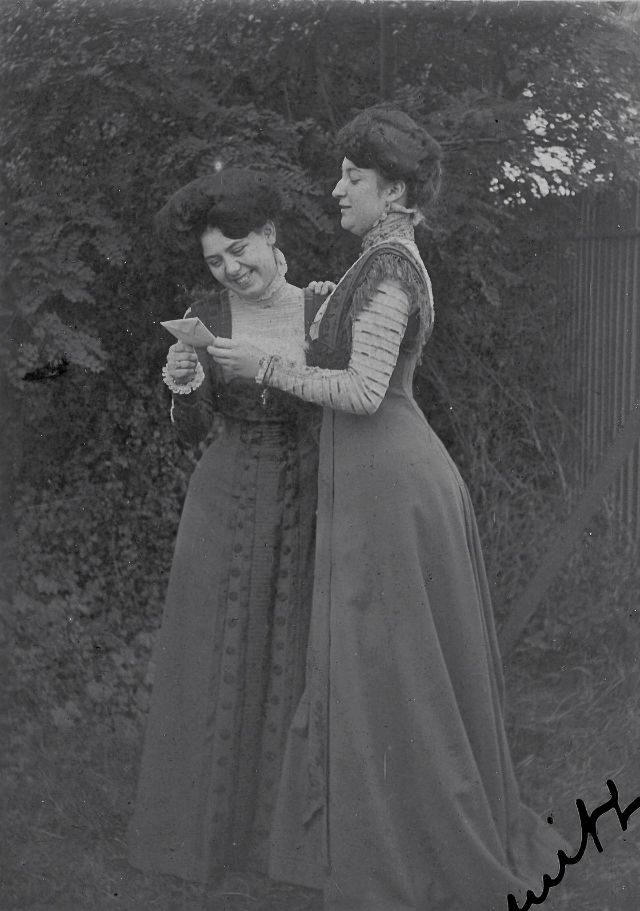
50 Charming Photos Defined Fashion Styles of Edwardian Ladies

The 20th century brought major transformations in Western fashion, but these changes didn’t appear immediately. Trends of the late 19th century (like Edwardian fashion) lingered through the decade of 1900–1909; in fact, these 1900s fashion trends lasted up until about the Great War (World War I).

The Edwardian age was known for the excesses, elegance, and strict social rules modeled by the wealthy. Edwardian fashion from the late 1800s continued to influence the early 1900s. Women still wore corsets and long skirts. Fashion in this era was opulent and formal, with expensive fabrics and trimmings. They favored a distinguished, mature look.

The well-dressed 1900s woman was covered from the neck down. Her silhouette was an S-curve. The shape came from a corset that put less pressure at the waistline by pushing a woman’s chest forward and her hips back.

Edwardian fashion is also known for dramatically large hats, so that required hairstyles that could support them. The most popular hairstyle was a full pompadour, with hair swept loosely up into coils or buns. Women might have added braids, false hairpieces, or wigs to give styles more structure and height. Some women used hot curling irons to create frizzy or curly edges. It was also stylish to tuck fresh flowers or decorative combs or hatpins into styled hair.

Take a look at these charming photos to see what Edwardian ladies looked like from the 1900s.


FOLLOW US:
FacebookTumblrPinterestInstagram

CONTACT US


Browse by Decades

Popular Posts

Advertisement

09 10