Bring back some good or bad memories


ADVERTISEMENT
Showing posts with label Bahamas. Show all posts

March 14, 2022

30 Color Photos of Nassau, Bahamas in 1960

Nassau is the capital and largest city of The Bahamas. It is commonly defined as a primate city, dwarfing all other towns in the country. It is the centre of commerce, education, law, administration, and media of the country.

Lynden Pindling International Airport, the major airport for the Bahamas, is located about 16 km (9.9 mi) west of the city centre of Nassau, and has daily flights to major cities in Canada, the Caribbean, the United Kingdom and the United States. The city is located on the island of New Providence, which functions much like a business district.

Nassau is the site of the House of Assembly and various judicial departments and was considered historically to be a stronghold of pirates. The city was named in honor of William III of England, Prince of Orange-Nassau.

These vintage color photos from dianp that captured street scenes of Nassau in 1960.

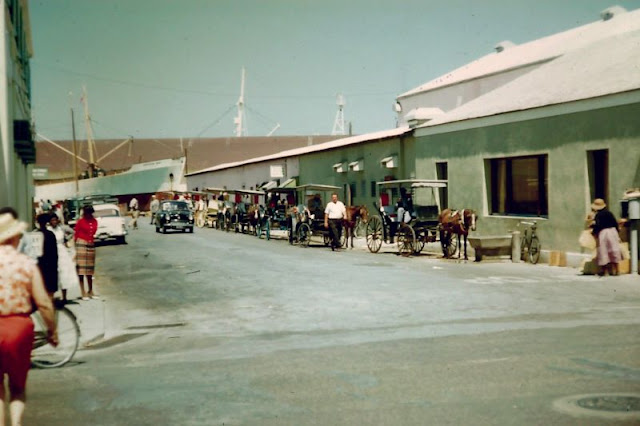
Nassau street scenes, 1960

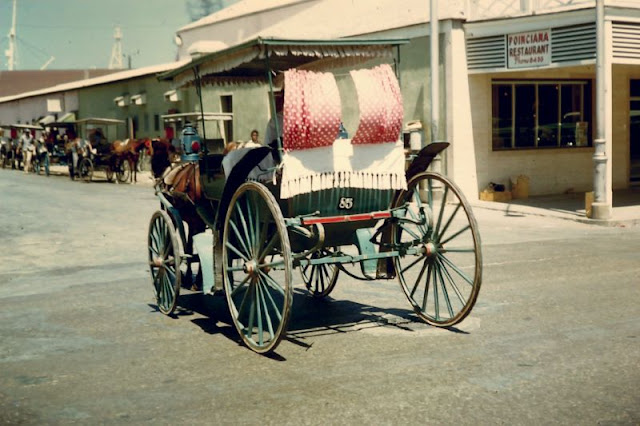
A surrey, Nassau, 1960

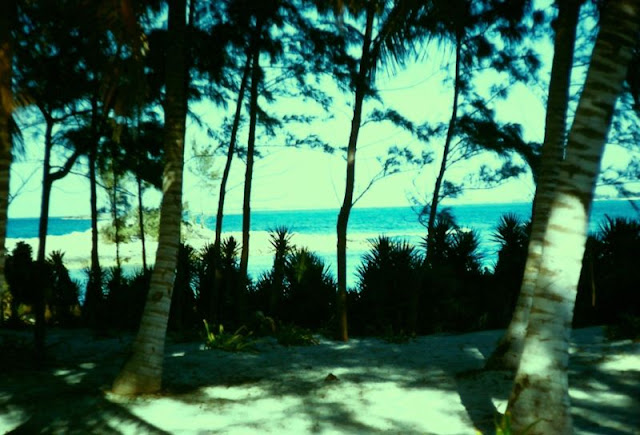
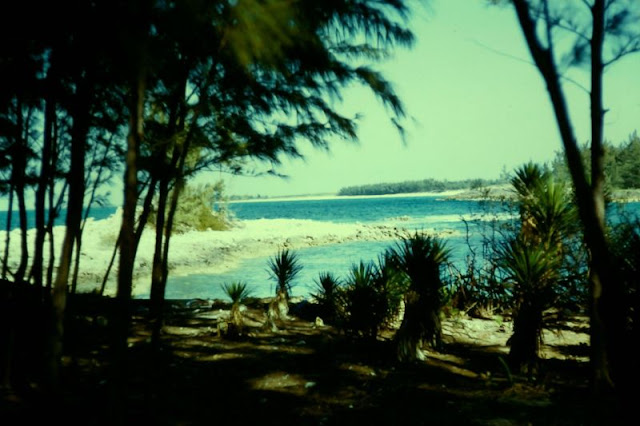
Hog Island, Nassau, 1960

Hog Island, Nassau, 1960

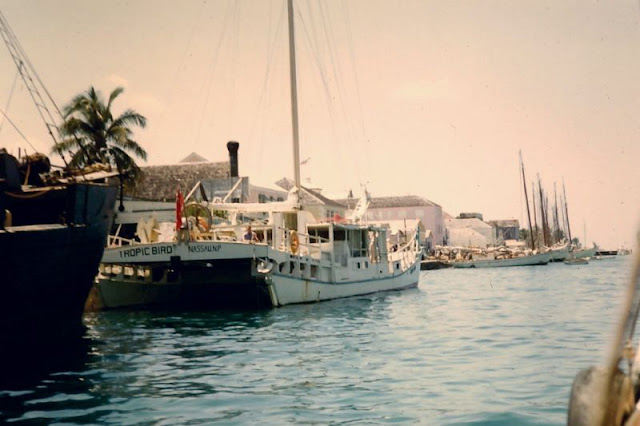
Nassau harbor, 1960

October 20, 2021

Behind the Scenes Photos of The Beatles on Bicycles During the Filming of ‘Help!’ in the Bahamas, 1965

Though the Caribbean scenes come at the end of the film, they were the first to be shot. They arrived on February 23rd. The bike-riding scene was shot on the first full day of the 14-day Caribbean shoot. It was filmed on on the Interfield Road, near to Nassau International Airport on New Providence Island. Much of the film’s beach scenes were shot on Cabbage Beach, on the northern side of Paradise Island.

“The problem was that we went to the Bahamas to film all the hot scenes, and it was freezing. We had to ride around and run around in shirts and trousers, and it was absolutely bloody cold.” – Ringo.


November 14, 2020

Hurricane Tree, Nassau, Bahamas, ca. 1890

This giant silk cotton (or Ceiba tree) was located near the public square. Called the largest tree in the world at one time, it is well built to survive the area’s hurricanes.


Ceiba pentandra is a tropical tree of the order Malvales and the family Malvaceae, native to Mexico, Central America and the Caribbean, northern South America, and to West Africa. A somewhat smaller variety is cultivated in southern and southeast Asia.

Kapok is a name used in English speaking countries for both the tree and the cotton-like fluff obtained from its seed pods. In Spanish speaking countries the tree is commonly known as “ceiba”. The tree is cultivated for the seed fibre, particularly in south-east Asia, and is also known as the Java cotton, Java kapok, silk-cotton or samauma. The tree is a sacred symbol in Maya mythology.

According to the folklore of Trinidad and Tobago, the Castle of the Devil is a huge C. pentandra growing deep in the forest in which Bazil the demon of death was imprisoned by a carpenter. The carpenter tricked the devil into entering the tree in which he carved seven rooms, one above the other, into the trunk. Folklore claims that Bazil still resides in that tree.
FOLLOW US:
FacebookTumblrPinterestInstagram

CONTACT US


Browse by Decades

Popular Posts

Advertisement

09 10