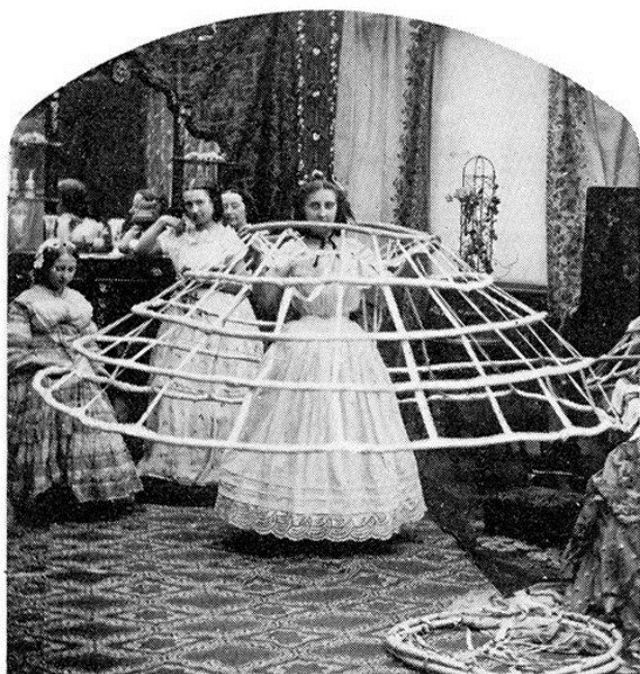
denoting something of high quality, something from the past or characteristic of the best period
Saturday, December 31, 2011
Friday, December 30, 2011
Awesome Photos of Photographers in The Past
![]() |
| André Kertész, Self-portrait, 1927 |
![]() |
| Ed van der Elsken, self-portrait with Ata Kandó, 1953 |
![]() |
| Walker Evans by Peter Seker, 1935-1936 |
![]() |
| Dennis Stock by Andreas Feininger, 1951 |
![]() |
| Margaret Bourke-White by Oscar Graubner, 1934 |
| Reactions: |
Thursday, December 29, 2011
Candid Portraits of Celebrities by Norman Seeff, 1970s-80s
| Reactions: |
Pictures of Anonymous Lives, Long Past
![]() |
| Florida c.1905 |
![]() |
| Group at Hokio Beach, Horowhenua District, 1909 |
![]() |
| AtlanticCity, NewJersey, c.1905 |
![]() |
| Ballroom, Hyde Park Hotel, 1912 |
![]() |
| bathing machine |
| Reactions: |
Wednesday, December 28, 2011
Tuesday, December 27, 2011
Elvis Presley Playing Touch Football
Elvis Presley playing touch football at the Dave Wells Community Center December 27, 1956. Several hundred people watched the singer pass, kick and run a touchdown. Presley joined the rough game shortly after lunch and played until dark, taking turn in line and backfield.
| Reactions: |
Monday, December 26, 2011
Today's Ku Klux Klan
Ku Klux Klan, often abbreviated KKK and informally known as the Klan, is the name of three distinct past and present far-right organizations in the United States, which have advocated extremist reactionary currents such as white supremacy, white nationalism, and anti-immigration, historically expressed through terrorism. Since the mid-20th century, the KKK has also been anti-communist. The current manifestation is splintered into several chapters and is classified as a hate group.
The first Klan flourished in the South in the 1860s, then died out by the early 1870s. Members adopted white costumes: robes, masks, and conical hats, designed to be outlandish and terrifying, and to hide their identities. The second KKK flourished nationwide in the early and mid 1920s, and adopted the same costumes and code words as the first Klan, while introducing cross burnings. The third KKK emerged after World War II and was associated with opposing the Civil Rights Movement and progress among minorities. The second and third incarnations of the Ku Klux Klan made frequent reference to the USA's "Anglo-Saxon" and "Celtic" blood, harking back to 19th-century nativism and claiming descent from the original 18th-century British colonial revolutionaries. The first and third incarnations of the Klan have well-established records of engaging in terrorism and political violence, though historians debate whether or not the tactic was supported by the second KKK. [Wikipedia]
But what does the KKK look like today? Photographer Anthony Karen has documented the modern-day Klan in their homes, at rallies, and at Klan gatherings, taking us deep inside a world we would otherwise never see — a world most of us might not even want to know about.
The first Klan flourished in the South in the 1860s, then died out by the early 1870s. Members adopted white costumes: robes, masks, and conical hats, designed to be outlandish and terrifying, and to hide their identities. The second KKK flourished nationwide in the early and mid 1920s, and adopted the same costumes and code words as the first Klan, while introducing cross burnings. The third KKK emerged after World War II and was associated with opposing the Civil Rights Movement and progress among minorities. The second and third incarnations of the Ku Klux Klan made frequent reference to the USA's "Anglo-Saxon" and "Celtic" blood, harking back to 19th-century nativism and claiming descent from the original 18th-century British colonial revolutionaries. The first and third incarnations of the Klan have well-established records of engaging in terrorism and political violence, though historians debate whether or not the tactic was supported by the second KKK. [Wikipedia]
But what does the KKK look like today? Photographer Anthony Karen has documented the modern-day Klan in their homes, at rallies, and at Klan gatherings, taking us deep inside a world we would otherwise never see — a world most of us might not even want to know about.
![]() |
| Donning Klan Robes |
![]() |
| Swastika Sole |
![]() |
| The Cross and Flames |
![]() |
| Child in Klan Robes |
![]() |
| Confronting the Klan |
| Reactions: |
Sunday, December 25, 2011
Subscribe to:
Posts (Atom)